AI is changing the economics of translation and will continue to do so by fundamentally transforming the multilingual content process. Benefiting fully from these opportunities requires a detailed understanding of the nuts and bolts of the systems and processes that are changing, as well as a focus on maintaining key business objectives through this period of change.
At TDL, we are helping customers navigate this transformation by establishing with them their operating blueprint and ROI roadmap for the future.
1. Reduce Production Costs Without Compromising Quality
The first phase of this transformation is focused on content production. AI can generate translations faster and at far lower cost, creating a significant opportunity to increase volumes while reducing production costs.
Realizing that return requires quality to remain part of the economics. Content generation is only one element of a production workflow; terminology management, linguistic review, quality assurance, project management and governance are still required to ensure that the output is accurate, compliant and fit for purpose.
Token costs are therefore indicative, but they do not provide a complete measure of production ROI.
The immediate task is to build the quality framework around lower-cost generation: consistent terminology, defined quality thresholds, clear approval and escalation routes, and an architecture that can accommodate changes in models and technologies.
This may moderate some early savings, but it’s what converts cheaper content generation into a reliable and scalable production model.
2. Improve the Wider Process
Once those controls and decision rights are in place, the opportunity extends beyond translation production. Content preparation, project orchestration, review, quality assurance, terminology maintenance and compliance can all be redesigned.
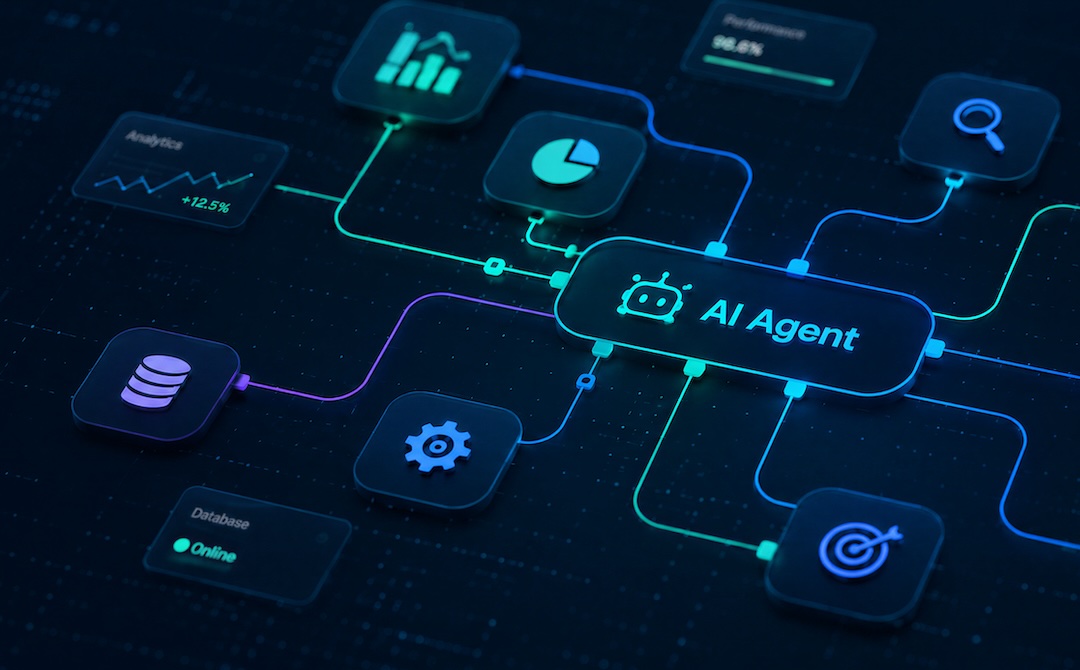
Agentic capabilities should increase this potential by coordinating tasks and decisions across the workflow, but they depend on the same rules, authority boundaries and escalation routes.
The TDL Framework
This is the role of the framework we’ve built around STREAM AI, AI Profiles and Managed AI.
STREAM AI provides the workflow orchestration layer through which content, technology and human expertise are coordinated.
AI Profiles translate each organisation’s requirements into the terminology, quality thresholds, model settings, risk controls and decision rules applied within that workflow. Managed AI provides the operational and linguistic expertise needed to design, run and improve it.
Together, these elements allow organizations to capture production savings now while establishing the basis for wider automation later. Models and other components can change without requiring the operating model to be reconstructed around each new tool.
The value of TDL’s approach is therefore not simply access to cheaper translation generation. It is the framework required to turn that cost reduction into a controlled production model, and then into broader efficiency across the multilingual content process