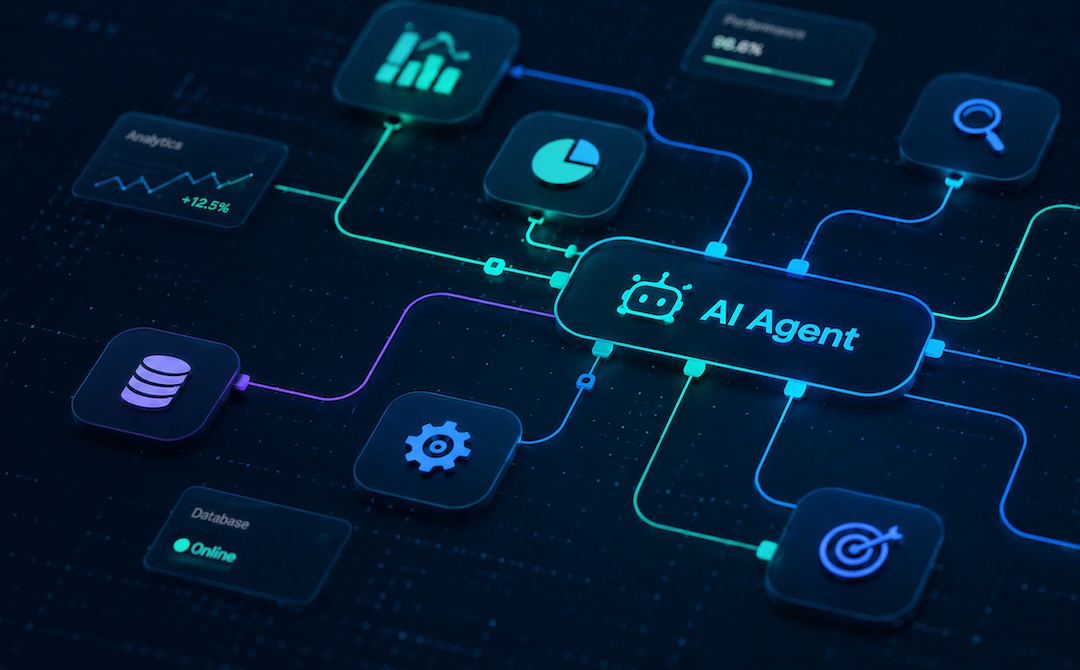
Multilingual content teams have spent years adding automation to established processes. AI considerably expands what can now be automated, with large language models, machine translation and specialist applications able to support tasks ranging from translation and review to quality estimation and anonymisation. This creates more technology choice at a time when organisations are also dealing with more content, markets, channels and regulatory expectations.
The opportunity goes beyond making individual tasks faster. An operating process designed around a narrower set of technologies may struggle to take full advantage of a much broader capability ecosystem. As the options increase, organisations need a systematic way to decide which technology, level of review and set of controls are appropriate for different types of work.
From fixed workflows to adaptive operations
Consider an illustrative example involving internal knowledge content, ecommerce product information and regulated customer communications. All three may need translation into multiple languages, yet their requirements are substantially different. Internal content could support extensive automation, while product information may require approved terminology and targeted quality checks. Regulated communications may require tighter controls, specialist validation and named approval.
Putting every category through essentially the same workflow can waste expertise on routine content while relying on manual additions and exceptions to manage higher-risk work. An adaptive operating model allows the route to reflect the characteristics of the content, applying different technologies, controls and levels of human intervention where appropriate. This can increase capacity while directing specialist expertise towards the content and decisions where it has greatest value.
This also changes how organisations should think about AI transformation. Automating one stage of a five-stage workflow may produce a useful efficiency gain, but the structure of the process remains intact. Redesigning the operating route can reveal whether every stage is still necessary for every content type, where focused AI applications can be introduced and which conditions genuinely require human judgement.
Enterprise-scale adoption also exposes issues that smaller AI pilots can hide. During a pilot, experts may select suitable content, provide context, refine instructions and resolve exceptions manually. Scaling requires those decisions, controls and responsibilities to become part of a repeatable process rather than remaining with the people who ran the experiment.
A useful starting point is therefore an existing workflow. Establish how it performs today, identify where expert knowledge and manual intervention are used, distinguish different levels of content risk and examine where the route could change rather than simply accelerate.
Assess an existing multilingual workflow for transformation readiness and identify where an adaptive operating model could create greater value.