The range of AI available to multilingual content teams has grown rapidly. Large language models now sit alongside machine translation, specialist applications and emerging agentic capabilities, creating new opportunities across translation, content generation, quality evaluation, anonymisation and other language tasks. The technology is becoming more capable, but enterprises still need a reliable way to decide how those capabilities should be used.
Multilingual operations make that particularly important. A business may be handling product information, marketing content, technical documentation and regulated communications across multiple markets. Each brings different requirements for terminology, quality, speed, oversight and risk. Applying AI successfully therefore depends on understanding the work and retaining control over how it is processed.
Understanding and Control
An effective Enterprise AI Operating Model starts with these two requirements. Understanding is the enterprise-specific context needed to handle content correctly, including terminology, instructions, audiences, quality thresholds and regulatory requirements. Control covers the rules around execution: where AI can be used, what technology is permitted, how work is routed, when people intervene and what evidence is retained.
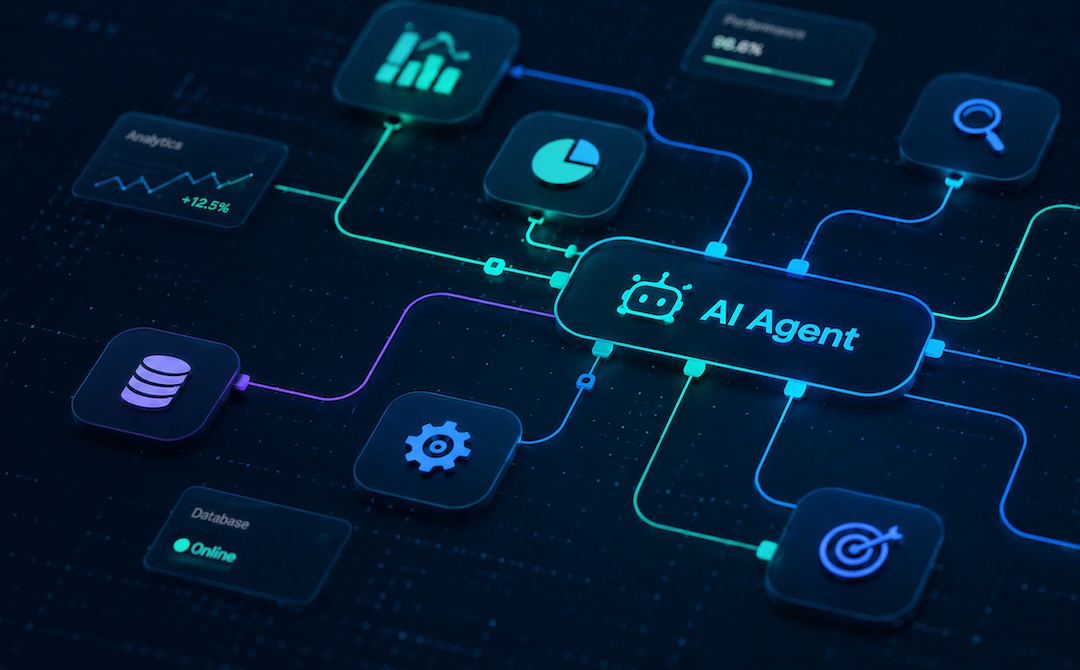
Four connected disciplines turn those principles into an operating cycle. Profile structures the enterprise context required for the work. Orchestrate uses that context to assemble and execute the appropriate route. Govern establishes permissions, authority, controls and evidence. Deliver measures performance and uses operational experience to improve the process over time.
{Insert Image 1 Here}
Within STREAM AI, this model is supported by the AI Profile, focused STREAM AI Apps and an Orchestrator that coordinates language technologies, enterprise systems and human expertise. Our integration layer connects this environment to the wider technology estate, while Managed AI provides the specialist support needed to operate, monitor and improve it.
This approach is designed for a technology landscape that will continue to change. Models and applications can evolve while enterprise context, operating decisions and governance remain under organisational control. That gives organisations a more durable foundation for adopting new capabilities as they become useful.
Transformation can also start at a manageable scale. One well-defined multilingual workflow can provide the environment to establish the business outcome, structure the necessary context, design the operating route and test controls against real work. The resulting knowledge and operating components can then be improved and reused in subsequent workflows.
Talk to TOPPAN Digital Language about applying the Enterprise AI Operating Model to a multilingual content workflow today.